
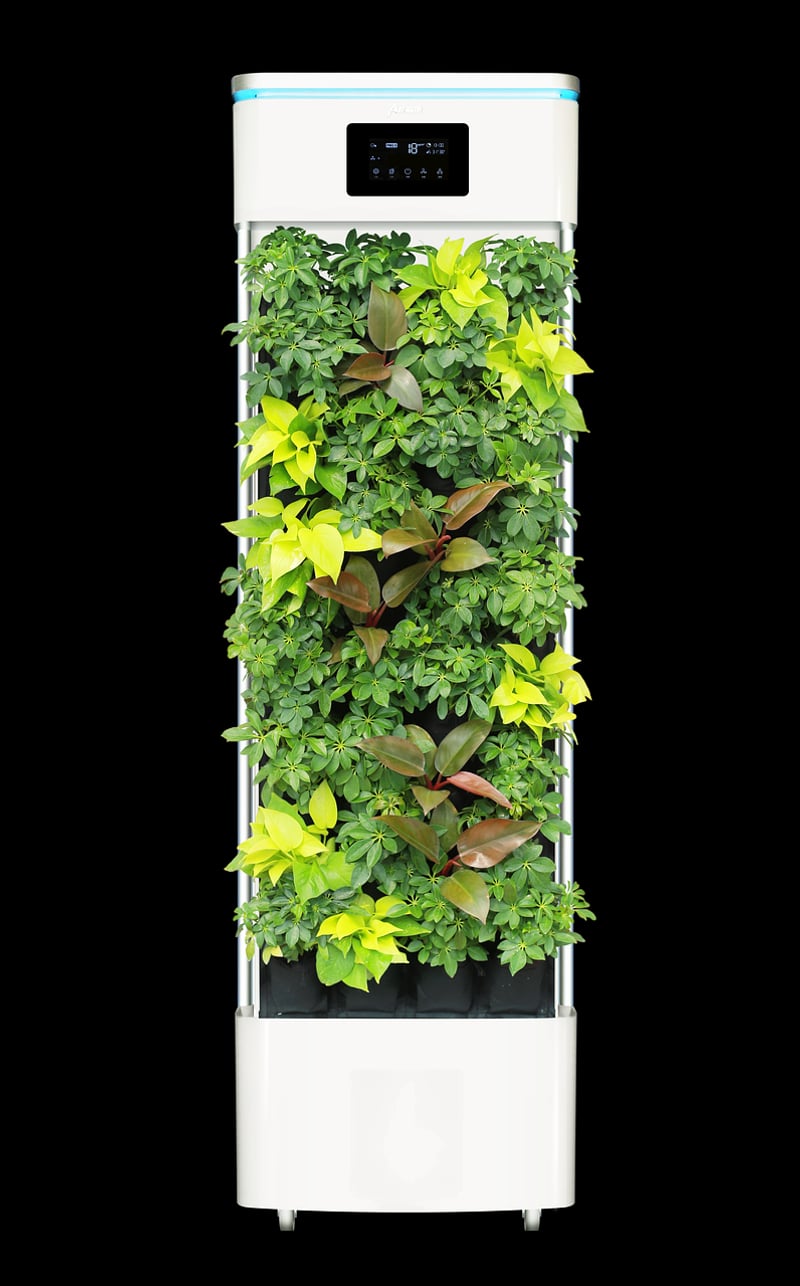
Improving Air Quality for Healthier Interiors
In today's world, where indoor living has become the norm, ensuring good air quality in our homes and workspaces is crucial for our health and well-being. Poor indoor air quality can lead to various health issues, including allergies, respiratory problems, and general discomfort. One effective way to improve air quality indoors is by incorporating air-purifying plants into our living spaces.
The Benefits of Air-Purifying Plants
Air-purifying plants are not only visually appealing but also play a significant role in filtering out harmful toxins and improving indoor air quality. These plants absorb carbon dioxide and release oxygen, making the air fresher and cleaner to breathe. Additionally, certain plants can remove common indoor pollutants like benzene, formaldehyde, and trichloroethylene, which are often found in household items such as paints, furniture, and cleaning products.
Top Air-Purifying Plants for Your Home
When it comes to choosing air-purifying plants for your indoor spaces, consider the following popular options:
- Snake Plant (Sansevieria Trifasciata) - Known for its durability and ability to thrive in low light, the snake plant is excellent for beginners.
- Spider Plant (Chlorophytum Comosum) - This plant is easy to care for and effectively removes pollutants like formaldehyde and xylene.
- Peace Lily (Spathiphyllum) - With its beautiful white flowers, the peace lily can help combat mold spores and purify the air.
- Devil's Ivy (Epipremnum Aureum) - A versatile plant that can grow in various conditions and filter out toxins like formaldehyde.
- Aloe Vera - Apart from its medicinal properties, aloe vera can help clear the air of formaldehyde and benzene.
Tips for Caring for Air-Purifying Plants
To ensure that your air-purifying plants thrive and continue to clean the air effectively, follow these care tips:
- Place plants in well-lit areas but away from direct sunlight to prevent leaf burn.
- Water plants according to their specific needs and avoid overwatering, which can lead to root rot.
- Regularly dust the leaves of your plants to keep them free from dust and maximize their air-purifying capabilities.
- Monitor the humidity levels in your home, as most air-purifying plants prefer moderate humidity.
By incorporating air-purifying plants into your indoor spaces and taking proper care of them, you can create a healthier and more pleasant environment for yourself and your family. Not only do these plants enhance the aesthetics of your home, but they also contribute to better air quality and overall well-being.
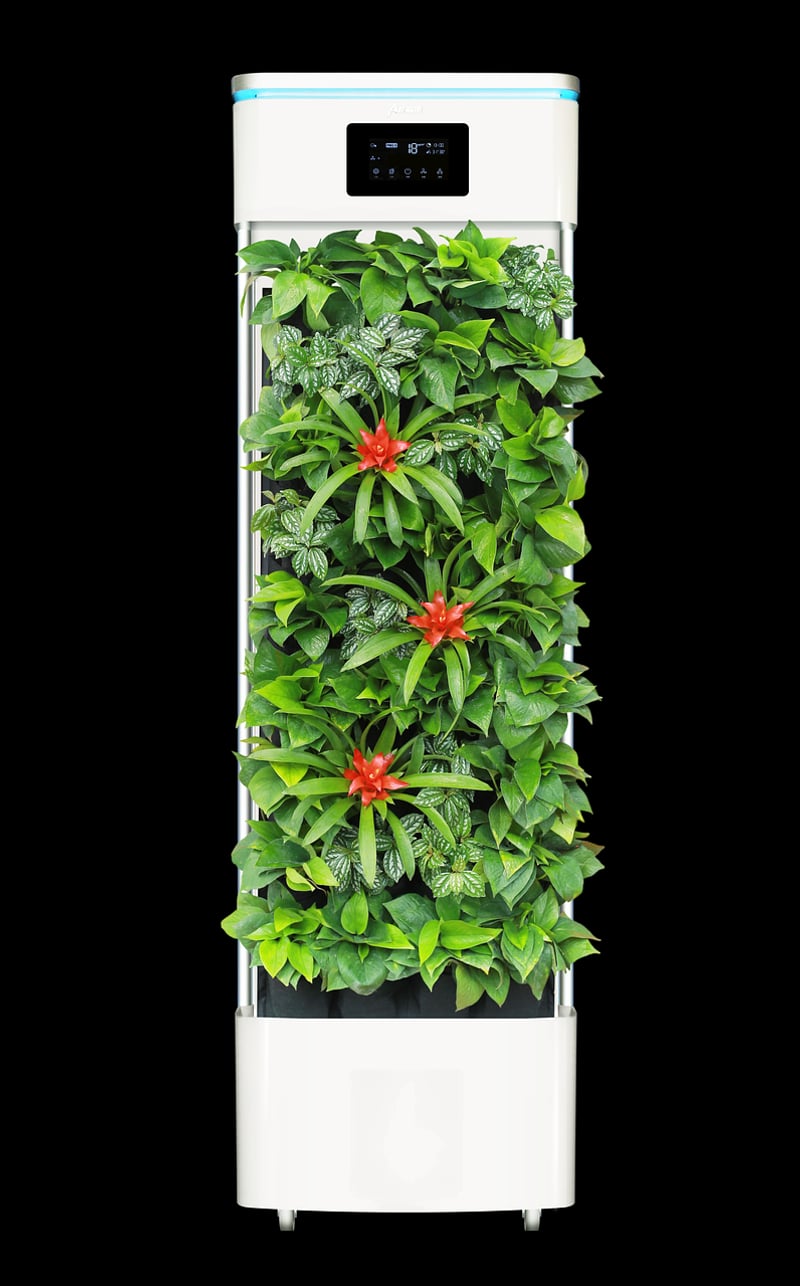
Investing in air-purifying plants is a simple yet effective way to improve the air quality in your interiors and promote a healthier lifestyle. Start introducing these green companions into your living spaces today and reap the benefits of cleaner, fresher air.