
Eco-Friendly Materials for Sustainable Design
Sustainable design is a growing trend in the world of architecture and interior decoration. Using eco-friendly materials not only helps reduce the environmental impact of construction but also creates healthier living spaces. One essential aspect of sustainable design is the use of biodegradable materials. These materials break down naturally, reducing waste and pollution. Let's explore some eco-friendly and biodegradable options for your next design project:
1. Bamboo
Bamboo is a versatile and sustainable material that grows rapidly and requires minimal resources. It can be used for flooring, furniture, and even as a decorative element. Bamboo is biodegradable and has a low carbon footprint, making it an excellent choice for sustainable design.

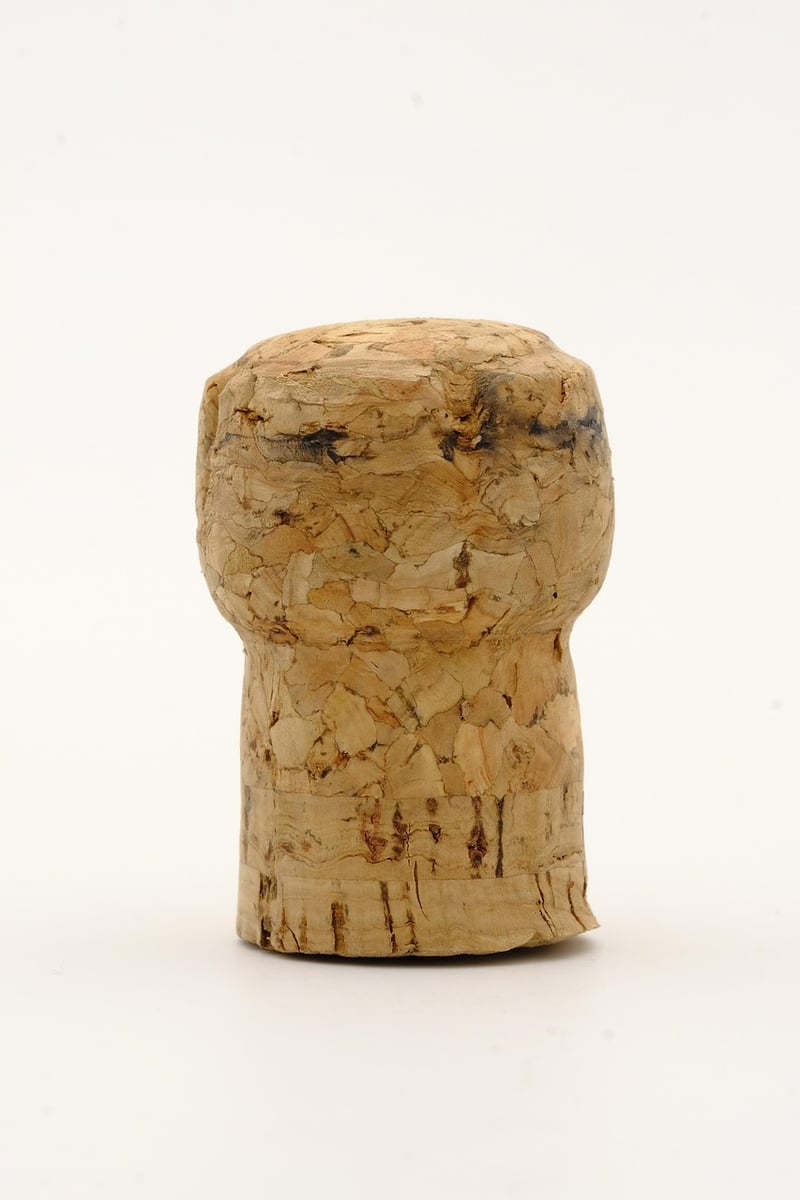
2. Cork
Cork is a renewable material harvested from the bark of cork oak trees. It is commonly used for flooring, wall tiles, and insulation. Cork is biodegradable, recyclable, and has excellent thermal and acoustic properties, making it a popular choice for sustainable design projects.
3. Recycled Glass
Recycled glass is an eco-friendly material that can be used for countertops, tiles, and decorative accents. It is made from post-consumer glass bottles and has a unique aesthetic appeal. Recycled glass is sustainable, non-toxic, and fully recyclable, making it a great choice for environmentally conscious designs.

4. Hempcrete
Hempcrete is a bio-composite material made from hemp fibers, lime, and water. It is lightweight, breathable, and has excellent thermal insulation properties. Hempcrete is biodegradable, carbon-negative, and helps reduce energy consumption in buildings, making it an ideal choice for sustainable construction.

By incorporating these eco-friendly and biodegradable materials into your design projects, you can create spaces that are not only visually appealing but also environmentally responsible. Embracing sustainable design practices is essential for reducing our carbon footprint and preserving the planet for future generations.
For more inspiration on sustainable design and eco-friendly materials, check out ArchDaily's list of innovative materials.